
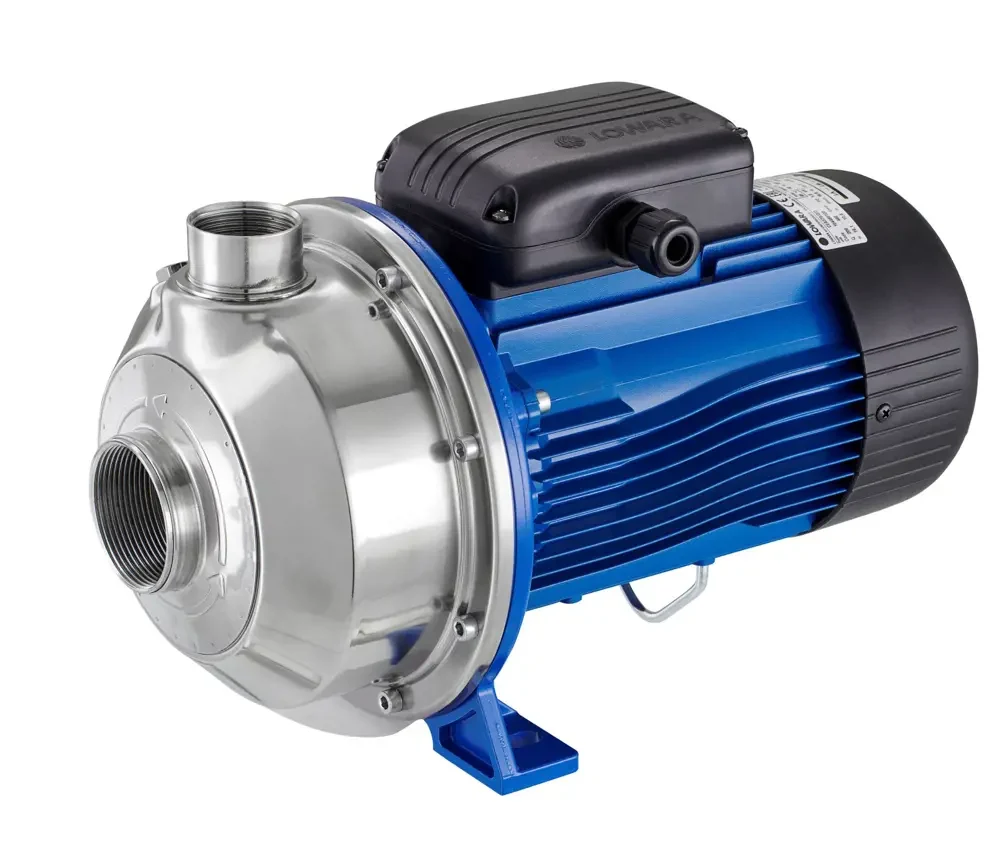
Define the duty first
Pump selection does not start with motor power. Define the fluid, required flow and total head first. Separate average demand from peak demand. Temperature, density, viscosity and solids can require different hydraulics and materials for an apparently similar duty. An existing nameplate is useful, but it does not establish the current system requirement.
Calculate total head
Total head includes elevation difference, pipe and fitting losses, and the required outlet pressure, while accounting for available inlet pressure. Pipe length or building height alone is insufficient. In a closed circulation loop, static elevations can balance; the pump then mainly overcomes circuit friction. Record the actual operating scenario before adding any justified design margin.
Check the operating range
Place the target duty on the manufacturer curve and check the permitted range at minimum and maximum demand. Review NPSH, motor load, sealing and material compatibility separately. Oversizing is not automatically safer; it may increase throttling losses, noise and operating cost. Share known data when requesting a quotation and leave unknown values for clarification.
Let’s select the right product.
Your contact information and a short description are enough to start. Add flow, head, fluid and quantity if known; we can clarify the rest together.